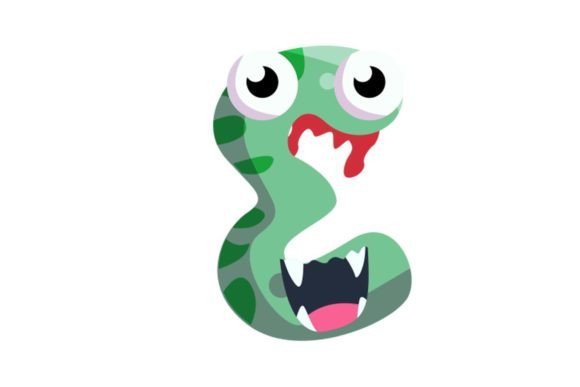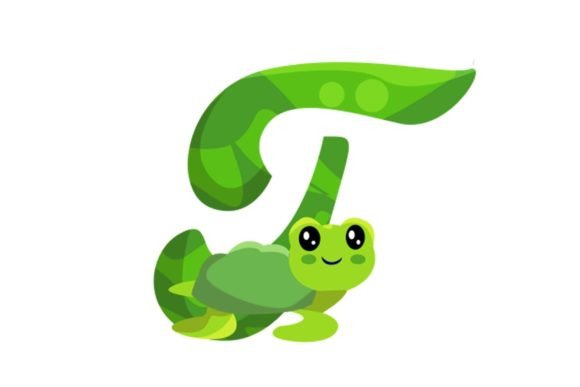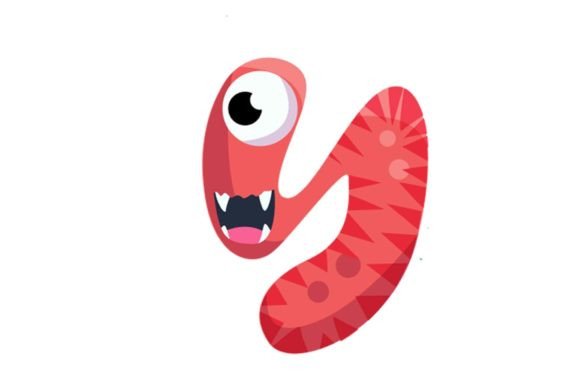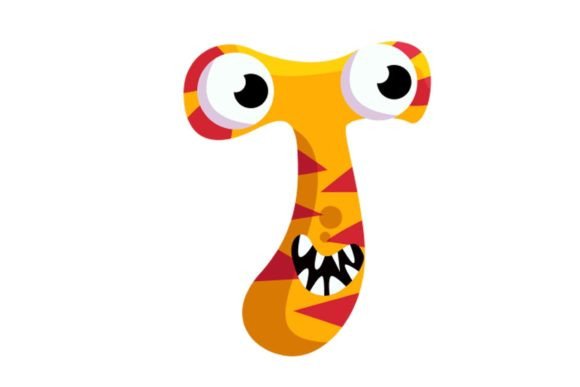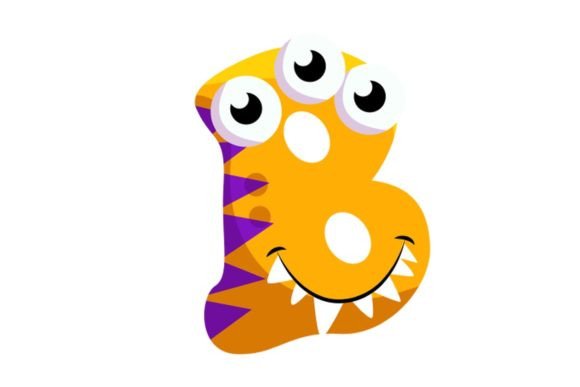
Kids Animals Alphabet B Illustrations
When I first opened the Kids Animals Alphabet B Illustrations set, I was immediately struck by the balance between playful charm and clean readability. As someone who has digitized and stitched hundreds of alphabet-themed embroidery projects over the years, I know how quickly a design can feel either too stiff or too chaotic. This set lands in a sweet spot. The letter B is built around friendly animal imagery that feels natural, not forced, and the overall composition leaves room for the embroiderer to work with scale, placement, and fabric choice without fighting the artwork itself.
Before I get into the stitching details, let me share what I see in these files. The design reads as a cohesive illustration rather than a fragmented collection of elements. The animal shapes are simplified just enough to translate well into thread, and the letterform remains the anchor. That is a critical detail for anyone planning to use this in a custom apparel or handmade product line. If the letter gets lost in the decoration, the educational or personalization value drops. Here, the B holds its ground.
First Impressions and Visual Personality
The mood of Kids Animals Alphabet B Illustrations is warm, approachable, and gently whimsical. It does not try too hard to be cute, which is a relief. Overly cutesy embroidery designs often look dated after a season or two, especially on boutique children's products or personalized gifts. This design has a more timeless feel. The animal forms are stylized but recognizable, and the line quality suggests that the artwork will hold up well in both satin stitch and fill stitch applications.
I can see this working beautifully on a toddler's sweatshirt, a nursery pillow cover, or a custom tote bag for a new mom. The design feels like something a parent would choose not just because it is decorative, but because it feels intentional. It also reads as a piece that could be used in a full alphabet series, which is a strong selling point for Etsy sellers and small shop owners who want to build a consistent product line across letters.
Real-World Performance in Embroidery Projects
Let me walk through a realistic scenario. I recently used Kids Animals Alphabet B Illustrations to prepare a custom embroidered tote bag for a toddler's birthday gift. The bag was natural cotton canvas, medium weight, with a slightly textured weave. I took the SVG file and imported it into my digitizing software to create a machine embroidery design. The illustration gave me enough detail to work with without overwhelming the stitch map.
The animal shapes digitized cleanly into satin stitch sections, and the letter B itself worked well as a fill stitch with a subtle outline. I used three thread colors: a soft navy for the letter, a warm mustard for the main animal shape, and a light cream for accent details. The stitch density felt balanced right out of the gate. I did not need to do heavy editing to reduce thread count or simplify shapes, which saved me a significant amount of prep time.
When I ran a test stitch on scrap fabric, the design held its shape nicely. The animal details were clear at a distance and resolved well up close. The tote bag recipient's mother later told me she had received several compliments from other parents at playgroup, which is exactly the kind of word-of-mouth that drives repeat business for a small shop.
Where This Design Shines Brightest
Based on my testing, Kids Animals Alphabet B Illustrations performs best in mid-to-large hoop sizes. I recommend a minimum hoop size of 5x7 inches for most applications, though you can scale it down carefully for smaller projects if you test first. The design is especially well suited for:
- Custom apparel: Sweatshirts, t-shirts, and hoodies for children and babies. The illustration sits nicely on a chest or back placement.
- Tote bags and canvas projects: The clean lines and moderate detail level work well on structured fabric that holds stitch definition.
- Embroidered patches: Because the animal forms are distinct and the letter is bold, this design makes a strong patch that can be sewn onto bags, jackets, or backpacks.
- Nursery decor and personalized gifts: Pillow covers, baby blankets, and wall hangings benefit from the soft, friendly mood of the artwork.
- Holiday and milestone gifts: First birthday presents, baby shower gifts, and Christmas stockings all feel elevated with a custom embroidered letter that includes a thoughtful animal illustration.
- Small shop merchandise and Etsy listings: The design files include SVG, JPG, PNG, and PDF formats, which makes it easy to create printable mockups for your shop listings. You can show the design on a sweatshirt, tote bag, or cap without needing to stitch each sample first.
Where to Exercise Caution
No design is perfect for every situation, and I always appreciate when a reviewer is honest about limitations. Here is where I would advise caution with Kids Animals Alphabet B Illustrations:
- Small hoop sizes: If you are working with a 4x4 hoop, you will need to scale the design down significantly. Small details in the animal shapes may become muddy or lose definition. Test on scrap fabric before committing to a final product.
- Thin or stretchy fabric: Lightweight jersey knits, single-layer tees, and stretchy blends can cause the design to distort if the stabilizer is not chosen carefully. I recommend a cutaway stabilizer for stretch fabrics and a tearaway for stable wovens.
- Dark fabric backgrounds: The design relies on shape clarity rather than heavy outlines. If you stitch it on black or dark navy, make sure your thread colors have enough contrast. A light-colored letter with a dark animal shape can work, but test the contrast in black and white mockups first.
- Curved surfaces like caps: The illustration is somewhat wide for a curved cap front. If you want to use it on a hat, consider scaling it down or using a flat-front cap style. The design may not hoop well on deeply curved surfaces without distortion.
- Dense stitch areas: If you digitize the entire illustration as a heavy fill stitch, the design can become stiff, especially on lightweight fabrics. Use a mix of satin stitch for outlines and lighter fill patterns for the animal bodies to keep the finished product soft and flexible.
- Frequent washing: For baby items or kitchen towels that will see heavy washing, use high-quality thread and a dense enough stitch pattern to prevent fraying. Test a wash cycle on a sample before selling finished products.
Visual Appeal and Product Value
In my experience, the difference between a handmade product that sells and one that sits on a shelf often comes down to how the design reads at first glance. Kids Animals Alphabet B Illustrations has a strong visual hierarchy. The eye lands on the letter first, then explores the animal details. That sense of discovery is exactly what draws customers in at a craft fair or on an Etsy listing page.
When I used this design in a set of personalized baby shower gifts, I noticed that the recipients did not just see a letter. They saw a story. The animal illustration turned a simple monogram into a conversation piece. That is the kind of emotional connection that builds brand loyalty for a small business. Parents remember the shop that made the special gift, and they come back for the next milestone.
From a professional standpoint, the design also works well as a digital embroidery file for commercial use. The SVG format is vector-based, so you can scale it cleanly without losing quality. The JPG and PNG files are useful for mockups, and the PDF gives you a printable reference. Having these design assets in one bundle makes it easy to plan your stitching, create marketing materials, and offer variations of the same product in different sizes and placements.
Practical Designer Notes Before You Stitch
Here are the steps I recommend before you use Kids Animals Alphabet B Illustrations in a real project:
- Test on scrap fabric first. Always stitch a sample on the exact fabric you plan to use for the final product. Fabric texture, weight, and color all affect how the design reads.
- Check thread color contrast. Pull a black and white print of the design and compare it to your fabric. If the contrast is low, choose thread colors that separate the letter from the animal illustration clearly.
- Review stitch density. The design files are illustrations, not digitized embroidery files. You will need to create your own stitch map. Keep the density moderate to prevent the fabric from puckering or the design from feeling stiff.
- Confirm hoop size. Measure your hoop and scale the design so that it fits with at least half an inch of margin on all sides. Crowding the hoop edge can cause registration issues.
- Inspect small details. If the animal shapes have tiny features like eyes or ears, make sure your needle and thread combination can resolve them cleanly. A 75/11 needle with 40-weight thread works well for most detail levels.
- Test light and dark fabric backgrounds. The same design can look completely different on white versus charcoal. Stitch a sample on both to see which version you prefer for your product line.
- Use proper stabilizer. For most apparel, a cutaway stabilizer gives the best long-term durability. For towels or bags, a tearaway may be sufficient. Test both to see what works with your fabric.
- Confirm licensing before selling. The design assets are provided as SVG, JPG, PNG, and PDF files. Before you use them in commercial embroidery projects or sell finished items, verify the license terms that came with your purchase. Some digital illustration sets allow commercial use, while others require separate licensing for production.
- Test in black and white mockups. A grayscale print of the design helps you see the value separation between elements. If the letter and the animal blend together in black and white, they may also blend in thread.
- Plan for scaling. Because the canvas size is 1920px by 1280px, the design has a wide aspect ratio. When you scale it for different hoop sizes, keep the proportions locked to avoid stretching the animal shapes.
Final Thoughts on Using This Design in Your Work
Kids Animals Alphabet B Illustrations is a solid addition to any embroidery designer's collection of design assets. It offers a clean, friendly aesthetic that translates well into thread, and it gives you enough creative freedom to adapt it for multiple product types. Whether you are stitching a personalized tote bag for a birthday gift, building a full alphabet line for your Etsy shop, or creating custom apparel for a boutique client, this illustration set provides a strong foundation.
The key to getting the most out of it is preparation. Test your digitizing settings, choose your fabric and thread carefully, and always stitch a sample before you commit to a production run. The design itself is versatile and well-proportioned, but like any embroidery project, the final quality depends on how well you match the artwork to the materials and the intended use.
If you are looking for a letter B illustration that feels personal without being overly sentimental, and that works across a range of handmade products, this is a reliable choice. It has earned a spot in my regular rotation for custom children's projects and personalized gifts, and I expect it will serve you well in your own shop or studio.